When YouTube Apologies Deepen the Backlash
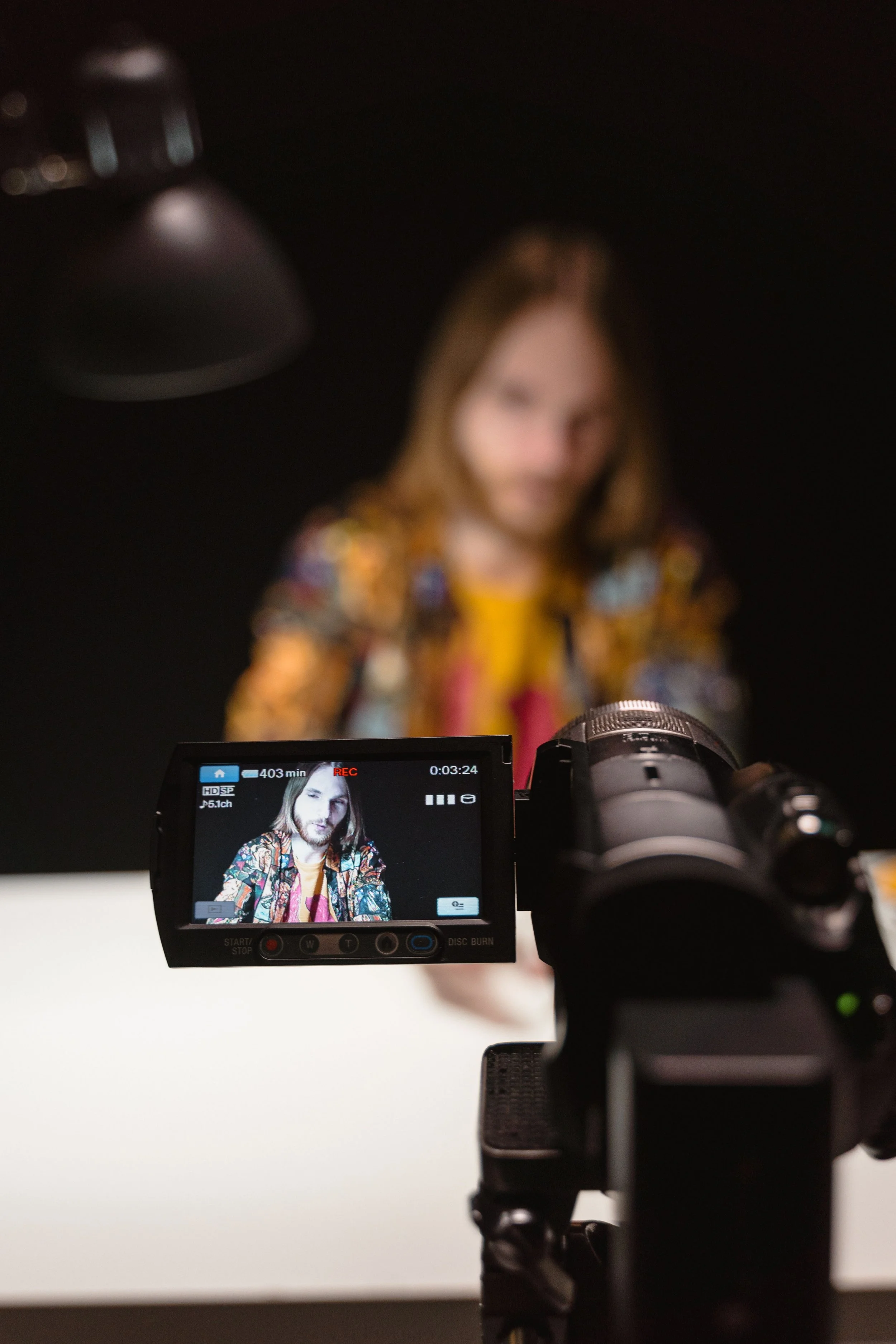
Photo credit: Mart Productions via Pexels
On June 28, 2023, YouTube content creator Colleen Ballinger posted a video titled “Hi” to her audience. Sitting in a simple living room, Ballinger sings an original song she wrote on her ukulele; the song addresses accusations that she interacted inappropriately with underage fans. However, Ballinger’s song drew widespread criticism for not including an actual apology. In the 10-minute, 20-second video, Ballinger defends herself against the claims, suggesting the accusations are weapons used against her. “Defending oneself is not what an apology is for,” Kimberly A. Hall, an associate professor at Wofford College, told CBS News. Hall said an apology should acknowledge the harm and make clear how the person will act differently. Creators who use apology videos to defend their reputations instead of acknowledging the harm they caused risk deepening the backlash.
Reasonable Reactions via YouTube
For viewers, a public apology is a chance to judge whether a creator understands the gravity of their actions; for creators whose work depends on their audience’s trust, a self-defense video can give viewers another reason to question that trust. This video illustrates the risk of treating a serious matter as an opportunity to be performative. A defensive response can draw more attention to the issue the creator failed to acknowledge and give the audience another reason to doubt their sincerity. Ballinger did not return to her audience until November 18, 2023, to express regret for how she handled her previous response. In a video titled “fall vlog,” Ballinger says, “I should have handled that situation with maturity and empathy, but instead I just let my ego take over, and I’m really disappointed in myself.”
Ballinger is among the many YouTube and other social media personalities who have had to issue apologies after wrongdoing. A study by Sandlin and Gracyalny analyzing 32 public figures’ YouTube apologies found that 21 videos, or 65.5%, attempted to downplay the offense. That strategy was linked to more comments describing the apology as insincere. Apology videos that drew more negative comments about the apologizer’s reputation also tended to attract more comments calling the apology insincere. Beauty creator Laura Lee removed an apology video after it drew further backlash, according to The Puddings’ analysis of YouTube apologies.
In some cases, public apology videos may help public figures retain audience support. In a study of 427 adults who watched public figures’ YouTube apology videos, Sandlin and Gracyalny also found that viewers who perceived the apology as sincere were more likely to report forgiveness and an intention to support the individual moving forward. This finding makes authenticity central to the argument: videos that minimize the wrongdoing or appear insincere may backfire, potentially causing the creator to lose the support of the people they are trying to apologize to.
The findings suggest that the best way to judge an apology is whether the creator acknowledges the harm they caused and follows through on making things right.